Classes

Beginner Classes

Saturdays

Club Ashfield Games Room (floor 2), 1-11 Charlotte St, Ashfield MAP.

2.00pm Beginners lindy hop (swing dancing)
3.00pm Social dancing and practice

Start dates (week 1): Saturday 18 April, Saturday 16 May, Saturday 13 June

$20 pre-booked online or at the door
Social dancing is free

swing dance classes

Beginner Lindy hop Classes.

Saturdays

2.00pm Beginners lindy hop (swing dancing).
Start dates (week 1):
Saturday 18 April
Saturday 16 May
Saturday 13 June

$20 pre-booked online or at the door.

Club Ashfield, Games Room (floor 3), 1-11 Charlotte St, Ashfield.
(Note this is NOT Ashfield RSL or Ashfield West Club).

Getting here

Club Ashfield is next to the Ashfield train station (take the north exit to Station Street).

A range of buses stop on Liverpool Rd (a short walk from the club) and on Brown St.

There is parking in the area, and a 'Park and Ride' parking lot for the station on the Brown Street side of the tracks.

The details:

  • Learn the basic social dancing skills and moves of lindy hop.
  • We teach beginner lindy hop (swing dance) in 4 week blocks.
    Take drop in for one class, or stay for all four weeks!
  • Beginners start at the beginning of each block in week 1 (Start dates: Saturday 18 April, Saturday 16 May, Saturday 13 June).
  • Pay as you go, or purchase 4 classes in advance online or in person.
  • No partner needed.
  • Wear whatever you like.
  • No dance experience needed.
  • Children under 18 must be accompanied by an adult.
  • We WELCOME LGBTQIA+ folk!
swing dance classes

Extender classes

Coming soon.

The details:

  • More moves, more technical stuff, more music.
  • We teach extender classes in 4 week blocks.
    Start in week 1, or drop in when you can.
  • You need to take at least three beginner blocks before you can move on to extender classes.
swing dance classes

Private classes

By appointment. Email us for more information.

swing dance classes

What we do in beginner classes

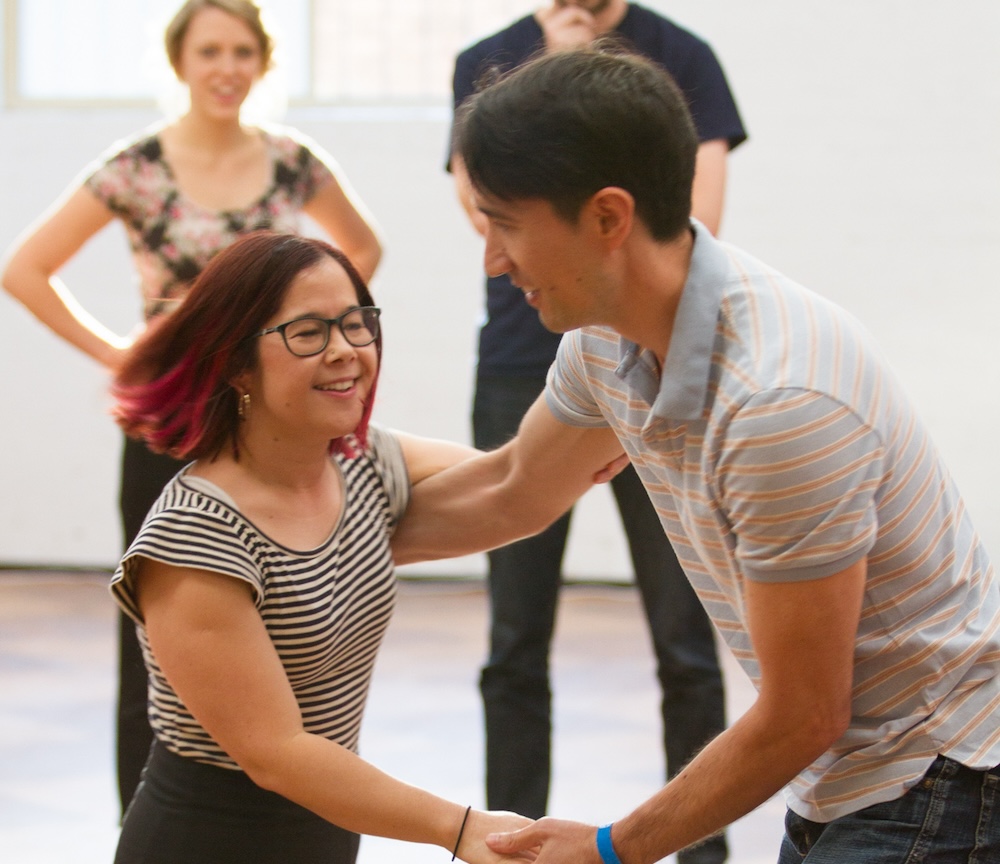
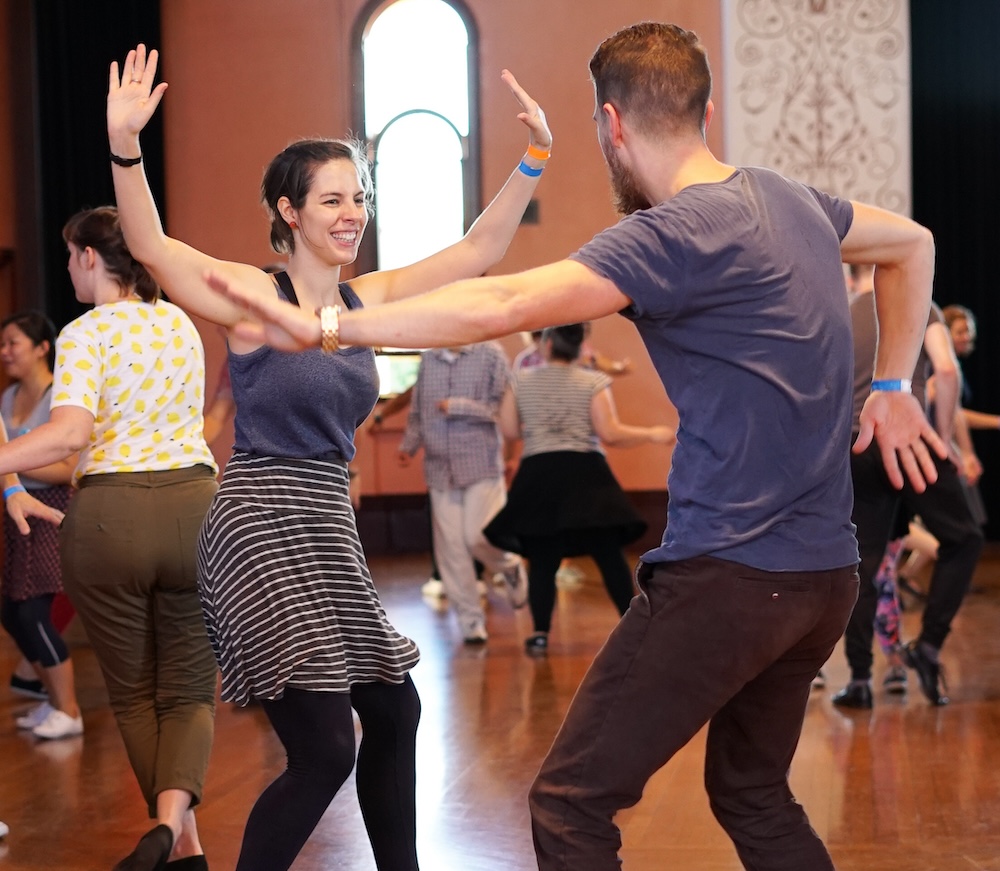
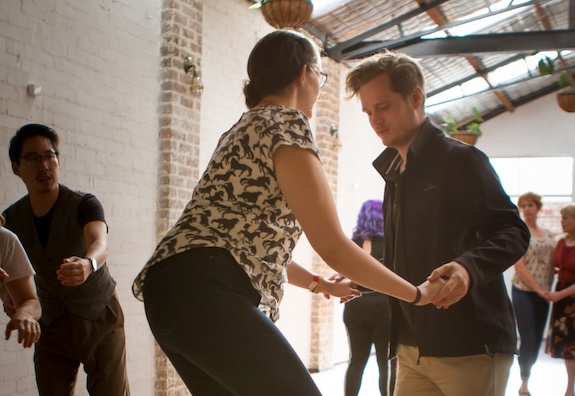
In our classes you'll make new friends and learn to social dance - and that's just in the first class!

We want you to be creative, independent dancers. So we teach in a way that gives you confidence, some essential dance skills, and lots of time to practice.

And we want it to be FUN.

Legacy and community

Learn about Black American dance culture in the swing era, and today. How is lindy hop like vogueing? How does call and response work? Who are the Black elders of lindy hop?
And why is improvisation (ie making stuff up) so important?

Skills

Music first!

  • Staying on beat and in (swinging) time
  • Finding the beginning of a phrase
  • Syncopating
  • Combining rhythms
  • Recognising instruments and musicians

You can dance!

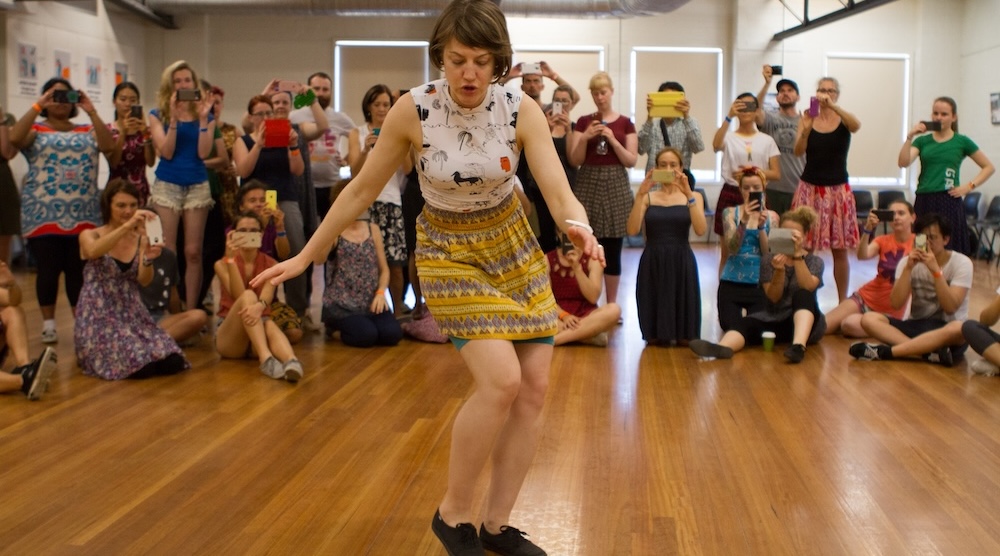
  • Everyone can dance: we'll help you figure that out.
  • Less talking, more dancing: you don't need a lecture, you need time to give it a try.
  • Being ok with mistakes: mistakes aren't bad, they're just one more way of doing things. That's how we learn.
  • Learn by watching-and-trying: your body is amazing, and so are you. And you'll learn how to see a step once, then give it a go.
  • Confidence! We know you can do this. Our classes help you feel confident enough to try.

It's a partner dance!

  • You're not alone! You have a partner, a class full of people, and teachers. And we always have your back.
  • We are part of a community: historic steps, rhythms, and routines, learning from elders, and paying respect.
  • Call and response, lead and follow: how do they work? We keep it simple and practical.
  • Improvisation: making stuff up, but making it look and feel good.
  • Cooperation: working together to figure out how things work,
  • Respect: looking after yourself, looking after your partner.

Meet those historic steps!

  • Swing out, circle, charleston, pass-by, Mini dip, send out, under-arm turn, texas tommy, around the world, points, promenade... and that's just the partner stuff!
  • Charleston, triple step, boogie forward, boogie back, itches, rusty dusty, fish tail, ride the pony, trucking, apple jacks, spank the baby... all the good jazz action!

Make friends!

  • Floor craft for safety, and good partnering skills for respect.
  • Dancing with lots of people to become flexible, creative partner dancers.
  • Playing games and laughing a lot.
swing dance classes

What we do in extender classes

Extender classes build on the basic steps and skills introduced in the beginner blocks.
You'll use your watch-and-try, and learn-by-experimenting skills to explore the wider world of lindy hop!

Legacy and community

We learn more about the Black Elders of lindy hop. How does a philosophy of dance that puts rhythm first make us better dancers? How did Frankie Manning make this simple step look so good? Rhythm: it's more than just footwork!

Goals

  • Have a good time social dancing with anyone, no matter their experience or skills.
  • Refine our communication and partnering skills.
  • Work a bit harder, push ourselves a bit further. Streeeetch.

New Skills

Level up our musicianship.

  • What's a phrase? Blues or 32 bar chorus? Why do three swing outs and a circle feel so good?
  • Standard time? Does this swing or is it straight?
  • How can we tell if this is Count Basie or Duke Ellington? Why does this matter to dancers?
  • Why do we start on 8?
  • How do we put rhythm in our body and not just our feet?

You're really good at this!

  • From individual moves to combinations: learning combinations of moves by watching-and-trying.
  • You can lead the big apple warm up: thinking on the spot, stepping up, passing a turn, and developing a vocabulary.
  • More challenging games... are they games, or are they learning tools? You decide.

More moves

  • Solo jazz steps, break steps, and stuff you've seen in a video. Let's figure them out.
  • We are part of a community: historic steps, rhythms, and routines, learning from elders, and paying respect.
  • How to make all these work on the social dance floor.

Connecting with our partner.

  • Moves or movement: what's the difference?
  • Momentum? Polyrhythms? Stretch? Compression? Yes, all of those buzzwords and more.
  • Leading and following: how does the call and response model work at a deeper level?
  • How do I know if it's a 6 count move or an 8 count move? Do we really need to worry about the space time continuum at all?